
Lead in Drinking Water
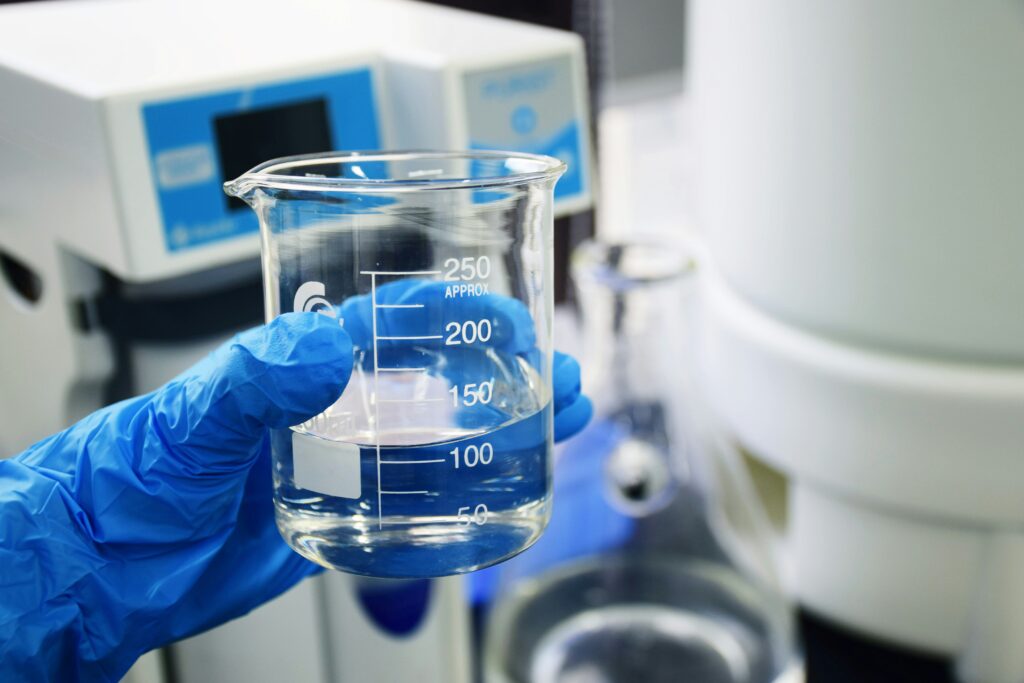
Lead in drinking water remains a relevant issue despite modern water supply systems. Today, lead-contaminated drinking water is most commonly found in older buildings constructed before 1973. Lead pipes can often be identified by their matte silver-gray surface, their softness, and a dull sound when tapped. However, this requires the pipes to be exposed. When in doubt, only a professional laboratory analysis can provide certainty. A drinking water analysis based on what is known as “staggered stagnation sampling” (where the water is left to stand in the pipe for approximately 4 hours) is the most reliable way to detect potential contamination. A total of three 1-liter samples are collected to determine the impact of the home’s plumbing system on the water supplied by the water utility.
Lead is a heavy metal that poses a health risk even in very small amounts. Lead spreads throughout the body via the bloodstream and accumulates primarily in bones and teeth. This can reduce bone density and increase the risk of osteoporosis. Those at particular risk include unborn babies, infants, and toddlers: Even low levels of lead damage the nervous system and blood formation and can impair growth and intellectual development.
For this reason, the limit values for lead in drinking water have been lowered several times over the past few decades. The currently valid limit value under the Drinking Water Ordinance (TrinkwV) is 10 micrograms per liter (0.010 mg/l). Starting January 12, 2028, an even stricter limit of 5 micrograms per liter will apply.
There is no legal requirement to test your home’s plumbing system for lead. However, if you suspect a problem, have the water tested. Until test results are available, you should let stagnant water run out before using it, and pregnant women and young children should not drink the water. It can, however, still be used for personal hygiene. The Drinking Water Ordinance mandates a complete ban on lead pipes. Operators of water supply systems and homeowners are required to properly remove or decommission existing lead pipes or pipe sections.
If you would like to have your drinking water tested, please contact us!